

From Import to Industry: How Trusted Polymer Partners Add Value Beyond Supply

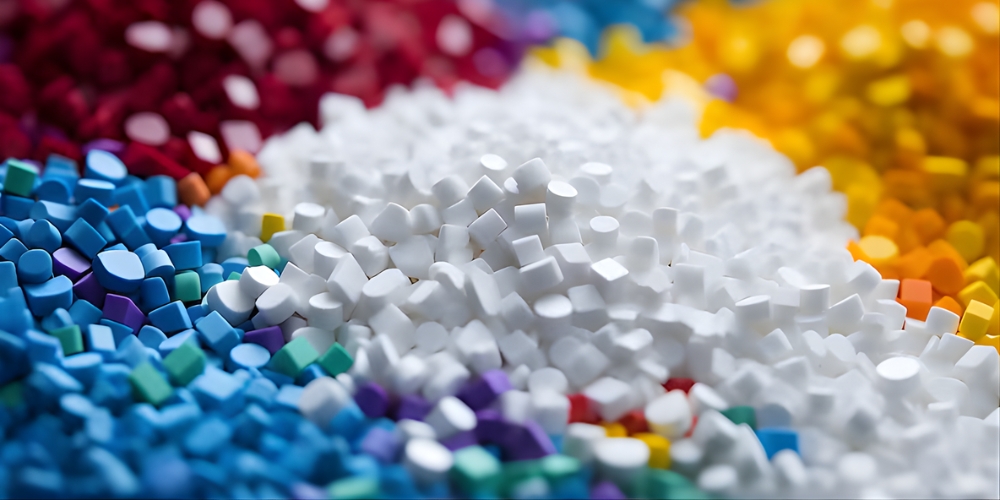
Modern industries rely heavily on advanced materials that offer durability, flexibility, and performance efficiency. Among these, PVC (Polyvinyl Chloride) and specialty polymers have become essential building blocks across a wide range of industrial applications. Their adaptability and cost-effectiveness continue to make them indispensable in today’s fast-evolving manufacturing landscape.
PVC: A Versatile Industrial Workhorse
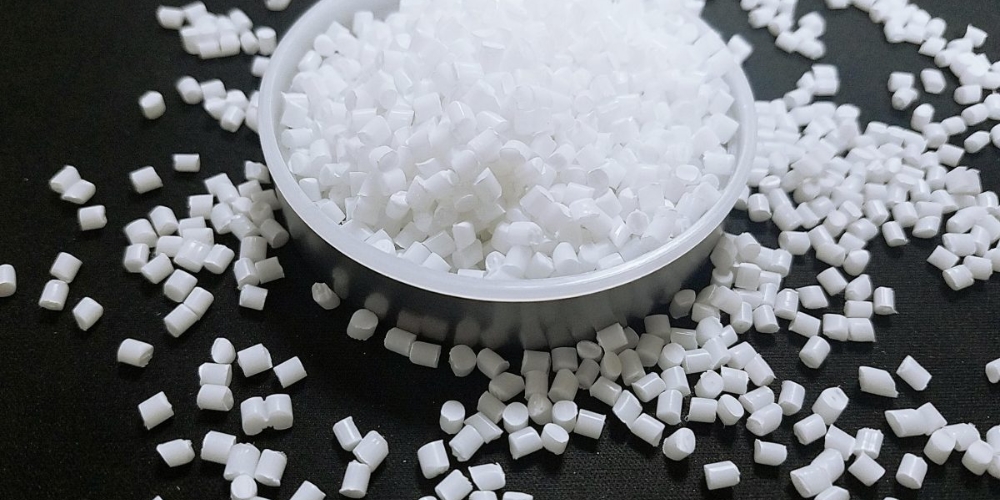
PVC is one of the most widely used polymers in the world due to its exceptional versatility. Available in both rigid and flexible forms, PVC is extensively used in construction, electrical, automotive, packaging, and healthcare sectors. Applications range from pipes, fittings, and profiles to cables, films, flooring, and medical products.
Key advantages of PVC include durability, chemical resistance, ease of processing, and long service life. Its ability to be compounded with plasticizers and additives allows manufacturers to tailor properties such as flexibility, strength, and weather resistance, making PVC suitable for diverse industrial needs.
Specialty Polymers: Engineered for Performance
Specialty polymers are designed to meet specific performance requirements where standard plastics may fall short. These materials offer enhanced properties such as heat resistance, flame retardancy, impact strength, chemical stability, and superior mechanical performance.
Industries such as automotive, electronics, packaging, pharmaceuticals, and consumer goods rely on specialty polymers for applications that demand precision and reliability. Materials like paste resins, engineering plastics, and performance additives enable manufacturers to innovate while maintaining quality and compliance standards.
Driving Efficiency and Innovation
The use of PVC and specialty polymers allows manufacturers to improve production efficiency, reduce material costs, and enhance product performance. Lightweight yet strong polymer-based components help industries lower energy consumption and improve design flexibility, contributing to better overall manufacturing outcomes.
Moreover, advancements in polymer technology have enabled the development of improved formulations that meet evolving regulatory, safety, and sustainability requirements.
Supporting Sustainable Industrial Growth
Sustainability has become a major focus across industrial sectors. PVC and specialty polymers now incorporate improved recyclability, longer life cycles, and resource-efficient processing. When sourced and used responsibly, these materials support environmentally conscious manufacturing practices while maintaining high performance.
Conclusion
PVC and specialty polymers play a critical role in driving modern industrial applications. Their versatility, performance advantages, and adaptability make them essential materials for industries seeking reliability, efficiency, and innovation. As industrial demands continue to evolve, these polymers will remain central to shaping the future of manufacturing.